Attic Helmet Anatomy

Pin Su Cutting Edge Technology

Bronze Winged Phrygian Attic Helmet Italic 400 300 Bc Ancient Greece Ancient Armor Greek Helmet Medieval Helmets

An Italo Attic Helmet Copyright Christie S Ancient Armor Corinthian Helmet Ancient Warriors

Attic Helmet 3d Max

Chalcidian Type War Helmet Helmet Greek Helmet Corinthian Helmet

Attic Helmet Ancient Armor Helmet Hellenistic

A medieval helmet typically formed as a single cylindrical piece with a flat or raised top completely enclosing the head.
Attic helmet anatomy. The attic helmet was a type of helmet that originated in classical greece and was widely used in italy and the hellenistic world until well into the roman empire its name is a modern historiographic convention. Most helmets usually include two kinds of vents. Out of combat a greek hoplite would wear the helmet tipped upward for comfort. Also called great helm.
Terms such as illyrian and attic are used in archaeology for convenience to denote a particular type of helmet and do not imply its origin. Other articles where epitympanum is discussed. Some gladiators specifically myrmillones also wore bronze galeae with face masks and decorations often a fish on its crest. Cavity proper below and the epitympanum above.
The middle ear space roughly resembles a rectangular room with four walls a floor and a ceiling. They are typically found on the chin bar over the brow and at the back of the helmet. The attic helmet was a type of helmet that originated in classical greece and was widely used in italy and the hellenistic world until well into the roman empire its name is a modern historiographic convention. The outer lateral wall of the middle ear space is formed by the tympanic membrane.
A large curved projection protected the nape of the neck. Vents in a helmet allow ventilation while the rider is wearing it. They also add to the comfort quotient of helmets. The exact form or design of the helmet varied significantly over time between differing unit types and also between individual examples pre industrial production was by hand so it is not certain to what degree there was.
Attic helmet last updated october 06 2019 a ceremonial attic helmet from southern italy ca. It was a helmet made of bronze which in its later styles covered the entire head and neck with slits for the eyes and mouth. The helmet was primarily used by mounted knights for tournaments rather than on the battlefield the frog mouth analogy was drawn from the way the ocularium the slit through which the wearer of the helm could see. The knob at the top of the helmet may in some cases have been the anchor for plumes or other decoration.
The shelf protruding at one side of the helmet is not a peak but a neck guard. It s a simple design a globe chopped in two though some variants are more conical. These chambers are also referred to as the atrium and the attic respectively. Terms such as illyrian and attic are used in archaeology for convenience to.
They keep the helmet from moving in case of a front or side impact.

Pin On Armoury
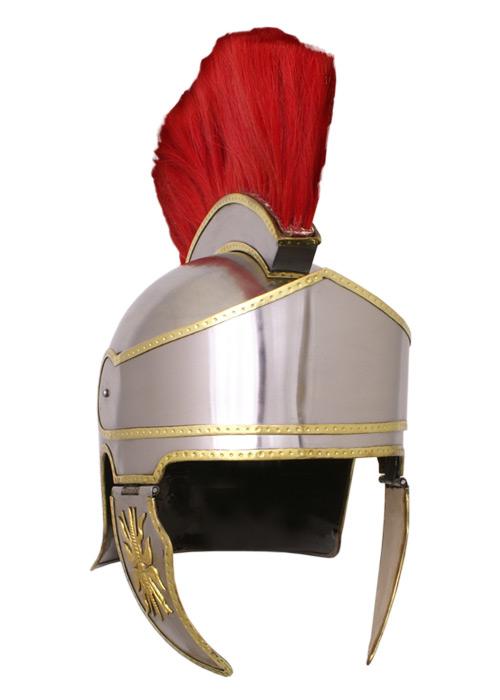
Greeks Romans Attic Helmet With Plume

Pin On Ancient Helmets Italic Helmets

Art Project Google Cultural Institute Ancient Armor Greek Helmet Ancient Warfare

Research Republican Rome Ancient Warfare Ancient Warriors Old Warrior

Roman Officer S Commander S Attic Helmet Roman Helmet Ancient Armor Ancient Antiquity

A Chalcidian Type Bronze Helmet 5th 4th Century B C Ancient History Archaeology Ancient Warriors Ancient Romans

Greek Attic Helmet 4th 3rd Century A D Metallica Scultura Artisti

Pin On Sci Fi Troopers Armor

A Greek Iron Helmet Of Attic Type Classical Period Circa 5th Century B C Ancient Armor Ancient Greece Classical Period

A Fragmentary Ancient Greek Bronze Cheek Piece Of Anatomical Shape From The Right Side Of A Helmet Of The Chalcidian Or Attic Type Ca 350 250 Bc Helm Antike

Free Samnite Attic Helmet 3d Model

Attic Helmet Wikipedia The Free Encyclopedia Ancient Armor Roman Helmet Ancient Antiquity

Roman Attic Helmet Of A Praefectus Of Auxiliaries And A Veteran Of The Battles On The Golan Heights And The Sea Of Galilee Of The First Jewish Historia Imperium

Roman Praetorian Based On Greek Attic Style Coisas Interessantes Coisas Para Comprar

The Unknown History Of The Attic Athenian Helmet Roman Helmet Medieval Helmets Helmet

Greek Helmet Made In South Italy 350 300 Bc Bronze The Elaborate Decoration On This Helmet Suggests That It Was Ancient Armor Greek Helmet Ancient Warriors

Pin Su Hoplite
Https Encrypted Tbn0 Gstatic Com Images Q Tbn 3aand9gcs7o0afa Woupuextiipt801ogfijhs81gzmqaxiobsnq0hl8ml Usqp Cau

Pin On Antique Arms And Armour

Archaicwonder Ancient Armor Ancient Warfare Ancient Art

1 6 Ignite Roman General Tribune 12 Figure Attic Helmet 1836690650

Chalcidian Type Helmet Circa 500 Bc Exhibit In The Walters Art Gallery Baltimore Helm Antike Rustung

Konos Helmet Greek Helmet Ancient Armor Ancient

Greek Hellenistic Attic Helmet Ancient Warfare Greek Helmet Ancient Warriors

Pin By Alexander On Ancient Warriors Roman Armor Ancient Armor Historical Armor

Pin Von Vishal Kushwah Auf Vintage Armour Military In 2020 Griechische Geschichte Griechische Krieger Antikes Griechenland

Lesbos Mytilene Circa 412 378 Bc Extremely Rare Gold Hekte Ares Facing Crested Corinthian Helmet In 2020 Corinthian Helmet Ancient Greek Coin Ares

The Trade Archive Things To Sell Coins Collection

Real Greek Chalcidian Bronze Helmets 2 Ancient Armor Ancient Warriors Roman Armor
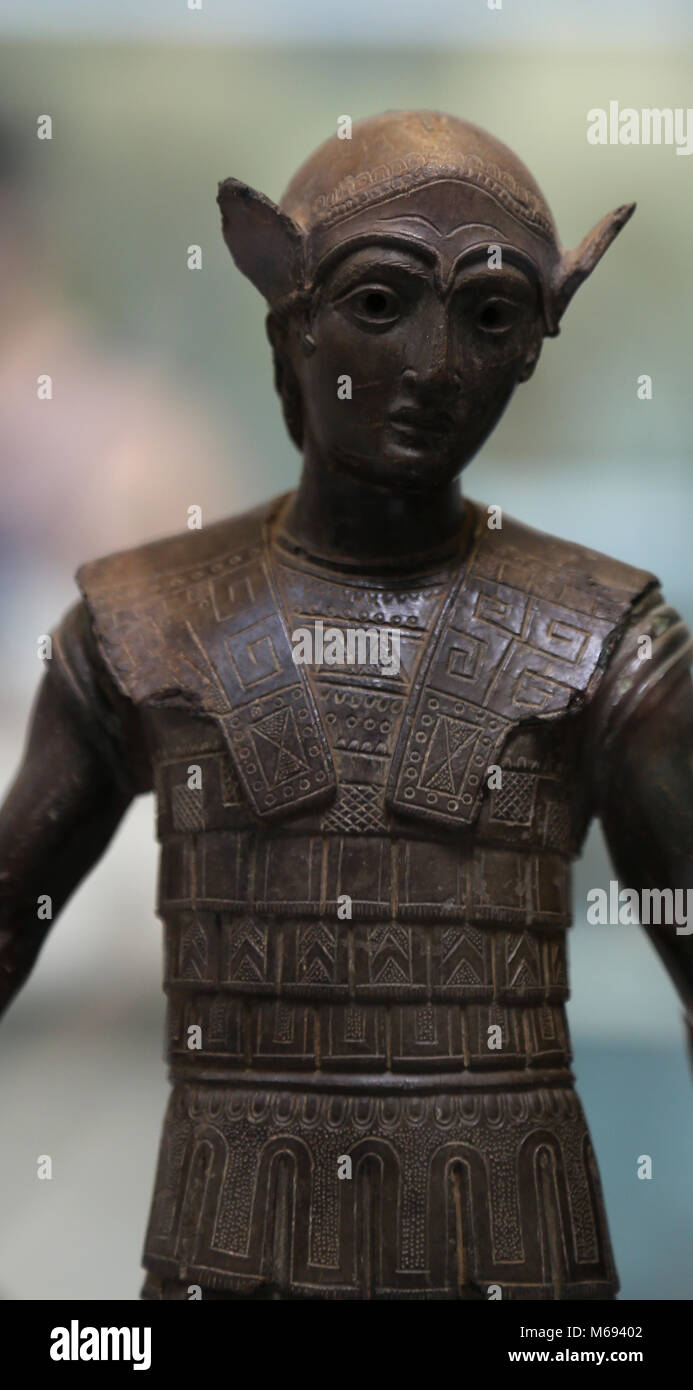
Etruscan Helmet High Resolution Stock Photography And Images Alamy

Attic Helmet Iii Century Ad By Paullian On Deviantart Ancient War Roman Soldiers Medieval Armor

Attic Cavalry Parade Helmet The So Called Guisborough Type 2nd Century A D From Theilenhofen Middle Franconia It Is Arte Antiguo Roma Antigua Arte Romano

Therionarms Roman Officer S Attic Style Helmet Black Crest Roman Armor Medieval Helmets Roman Helmet
Antique Diving Helmets Asian 12 Bolt Light Diving Helmet Diving Deep Sea Diving

Corinthian Helmet 6th Century B C From Kamarina Sea Sicily Museo Archeologico Nazionale Ragusa Ancient Armor Corinthian Helmet Greek Helmet

Corinthian Helmet British Museum Corinthian Helmet Ancient Greek Art Greek Artifacts

Pin On Helmets

Athenian Hoplite Mid 4th Century Bc Thracian Attic Type Helmet With Large Jaw Protectors Bronze Muscle Cu Ancient Warfare Greek History Ancient Warriors

Attic Helmet Roman Artifacts Roman Helmet Roman Armor

Pallas A8hna Pallas Athena On Attic Pottery Circa 360 Bce Currently At The Getty Villa La

Ioannis Tz On Ancient Armor Greek Helmet Ancient Warfare

