Argon Filled Windows Condensation
Pros And Cons Of Argon Gas Windows Window Resource
Humidity Condensation And Your Home My Windowworks
Condensation Double Pane Window Brea Home Inspection

How To Fix Moisture Condensation Between Double Pane Windows
Should Foggy Windows Be Repaired Or Replaced Florida Property Detectives

Argon Filled Windows From Feldco
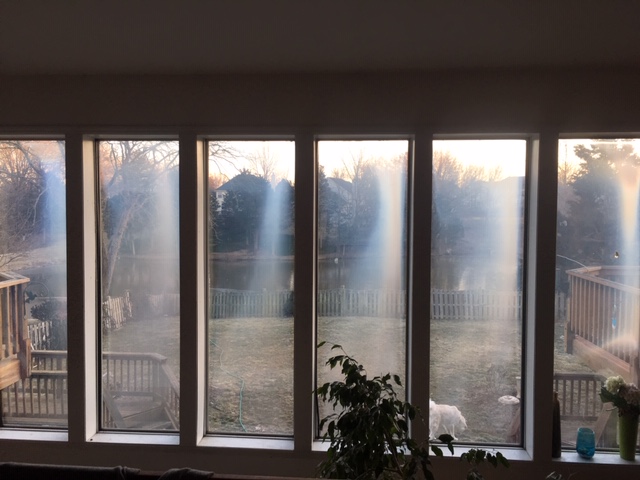
In this case the insulation barrier reduces the heat transfer from the hot air outside so your home will stay cooler inside in the summer.
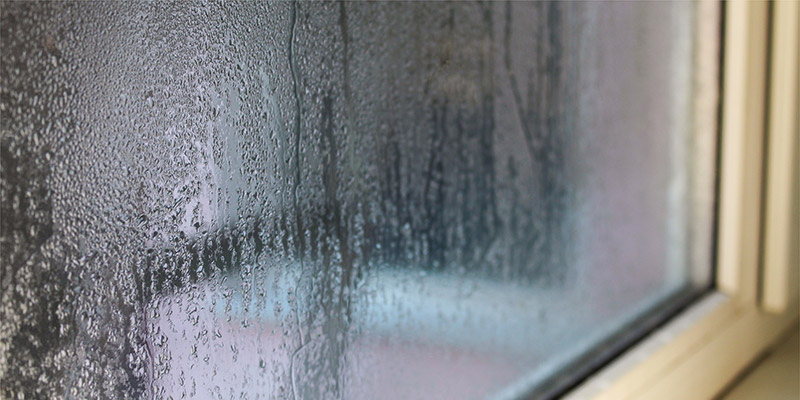
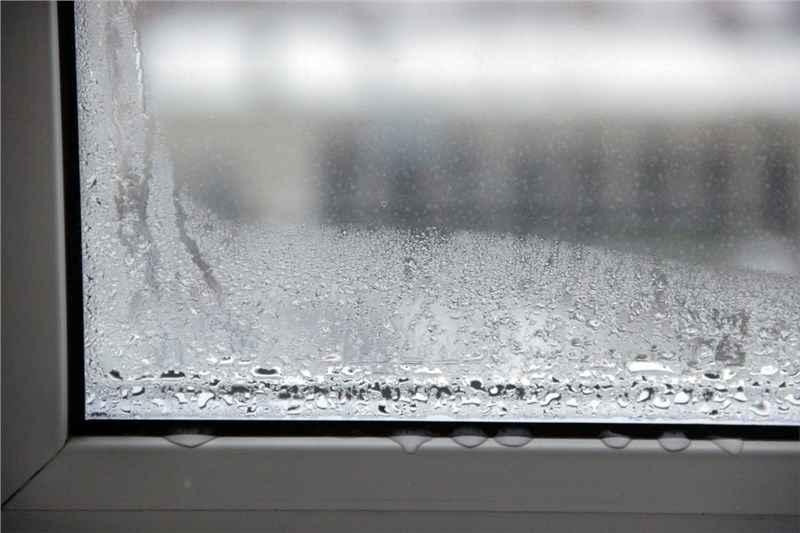
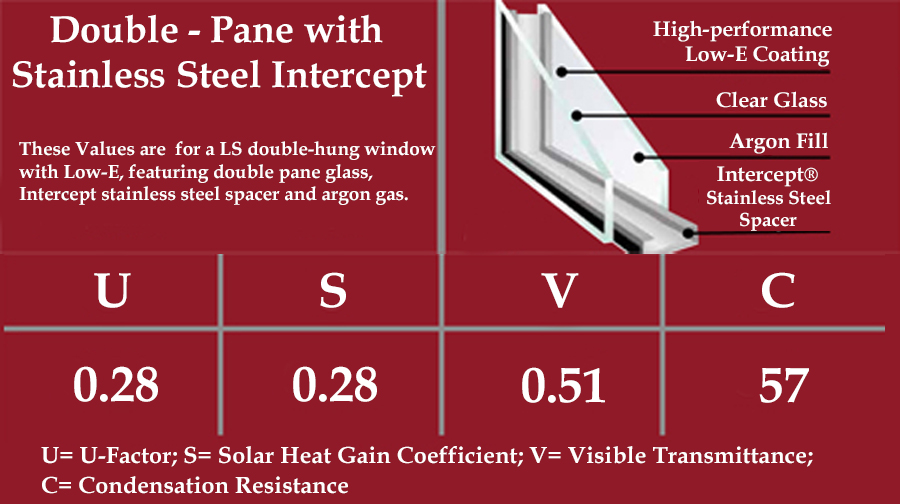
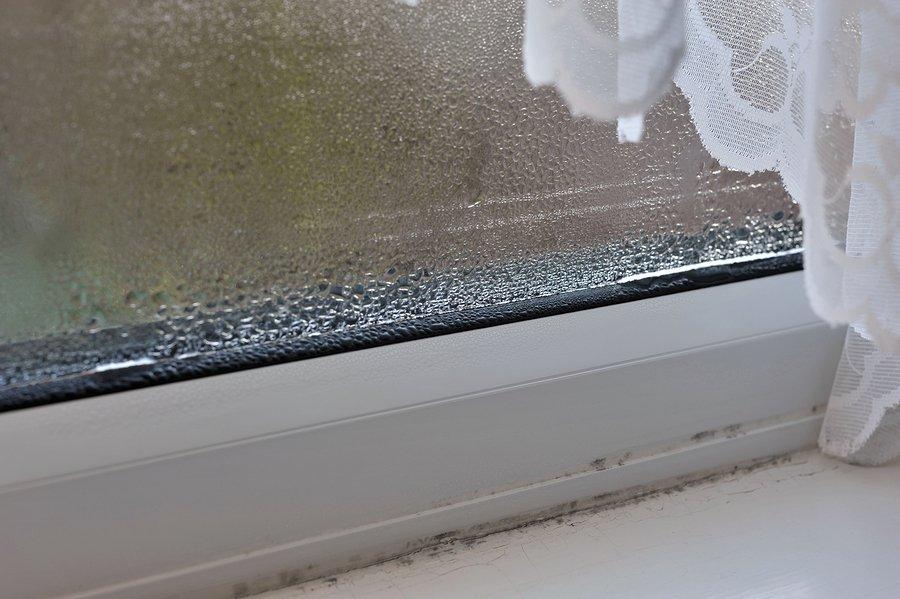
Argon filled windows condensation. You ll notice this only when the window has lost a significant portion of the gas as condensation will build up inside the product without the argon gas. In general the lower the u factor the better job a material will do at insulating. Sometimes a basic clean will take care of the problem. Gases like argon are preferable to air because air contains moisture that can condense on the inside of the glass units making the window cloudy.
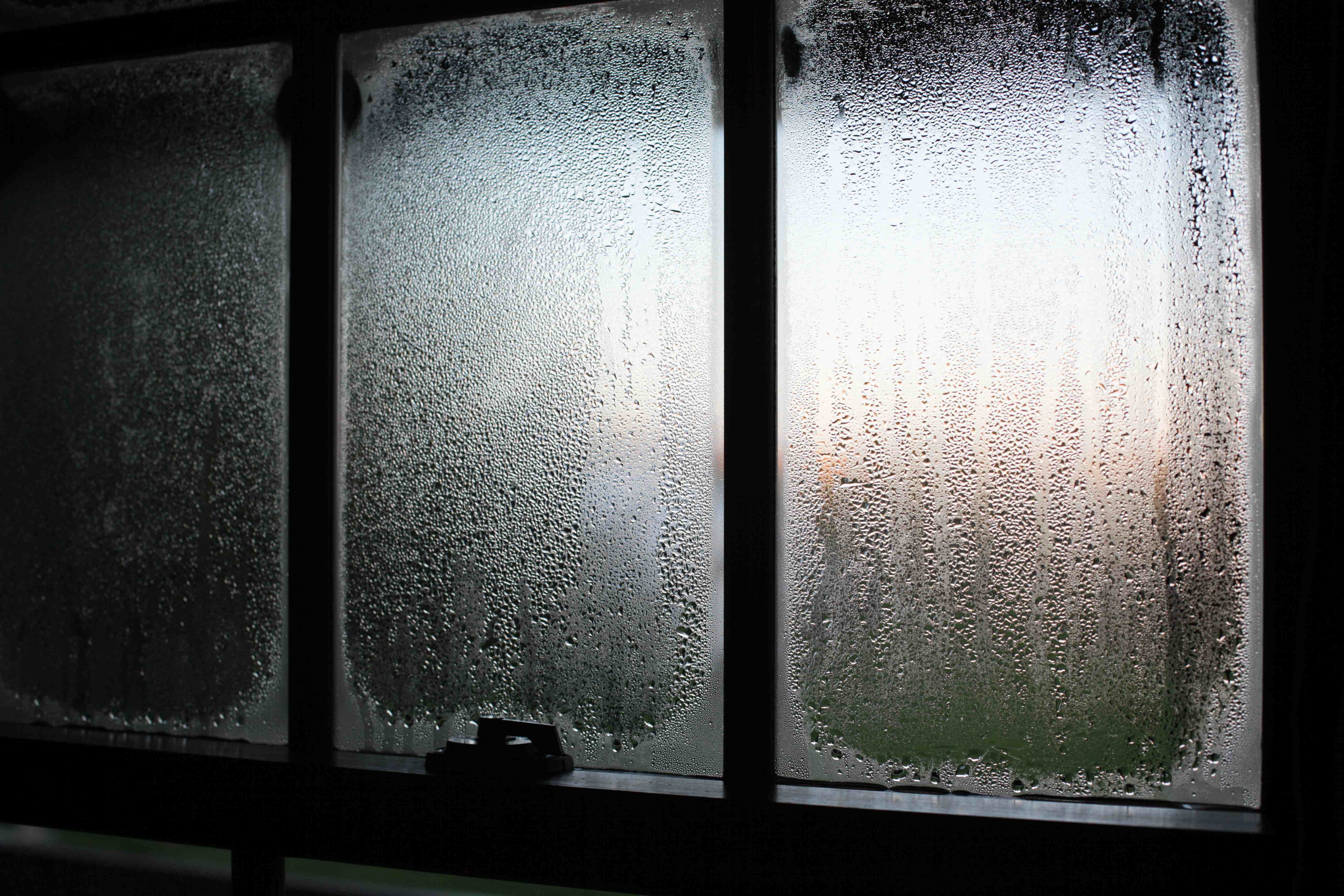
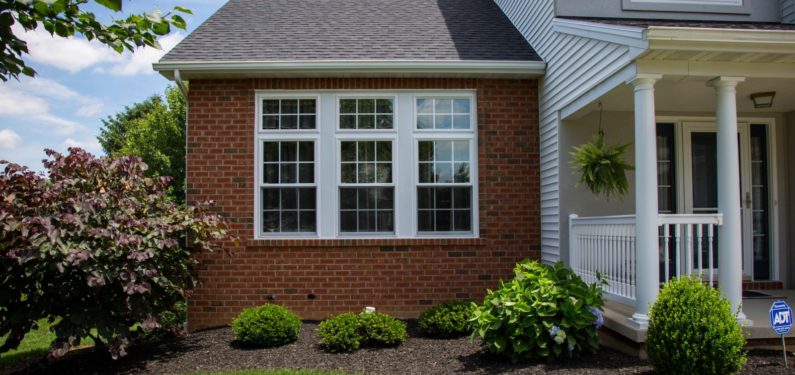
When effective double pane windows should not produce much or any condensation. Of course the opposite is true when installing energy efficient insulated glass windows in warm climates. This saves you on maintenance and replacement costs. Argon gas windows are energy efficient due to the density of argon gas being heavier than oxygen.
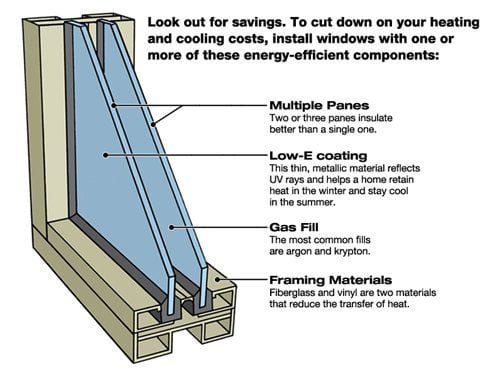
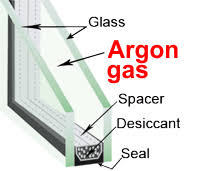
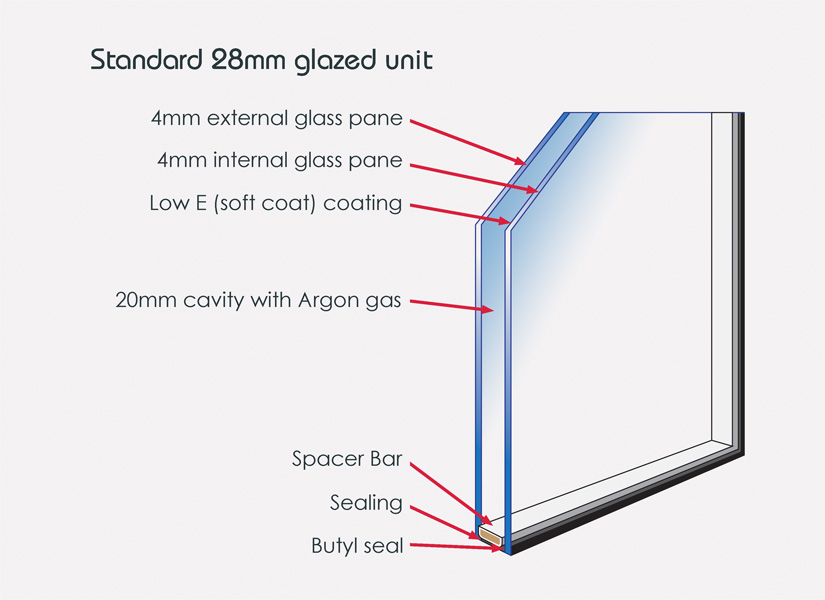
Another trademark problem of double pane windows that have become exposed to drafts and likely lost all the argon gas is when condensation builds up on the inner surface. Double pane windows also called insulated or thermal windows are made with two panels of glass sandwiched over a spacer and sealant creating a space between the panes that is filled with air or with a gas usually argon or krypton. Argon filled windows also reduce the tendency for condensation to form on the inside of windows reducing the likelihood of the window trim experiencing moisture related problems. Air also insulates less effectively than gas fills.
It is this sealed space that gives the window most of its thermal performance. If an argon filled window has even the smallest gaps in it the argon gas that escapes can be replaced by moisture laden air. The short story is that the introduction of argon into the space between two panes of glass creates an insulation barrier. The spaces are filled with argon or other gasses to slow the transfer of heat through the window.

How To Fix Condensation In Double Pane Windows Networx
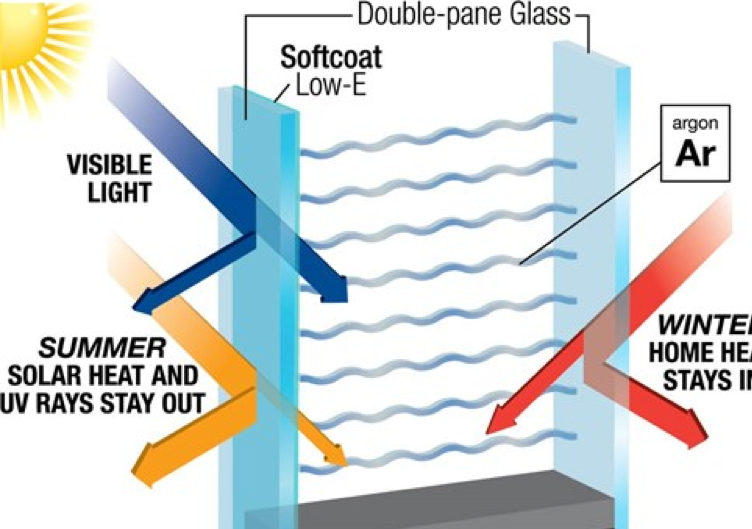
It S All About The Glass Moss Window Supply

How To Fix Condensation Inside Windows Glass Doctor
Get The Fog Out Foggy Window Repair In St Louis
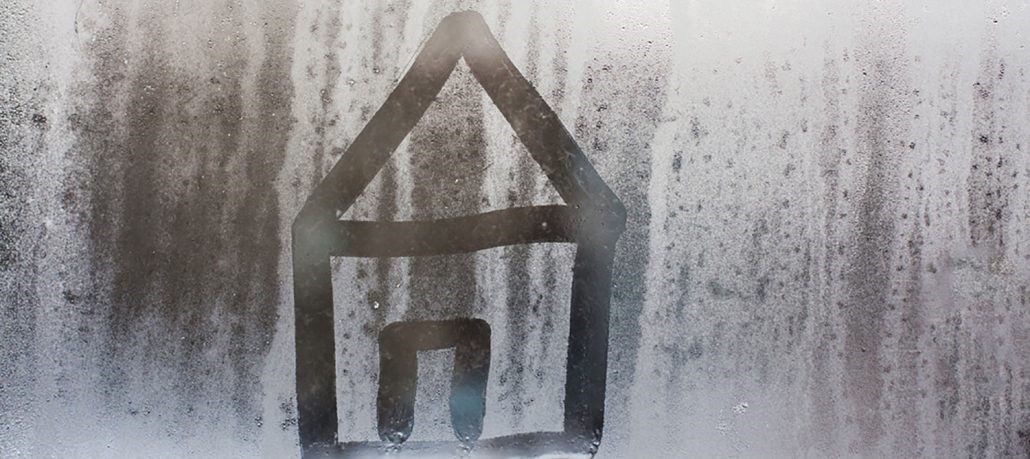
Condensation On New Windows Glass Rite
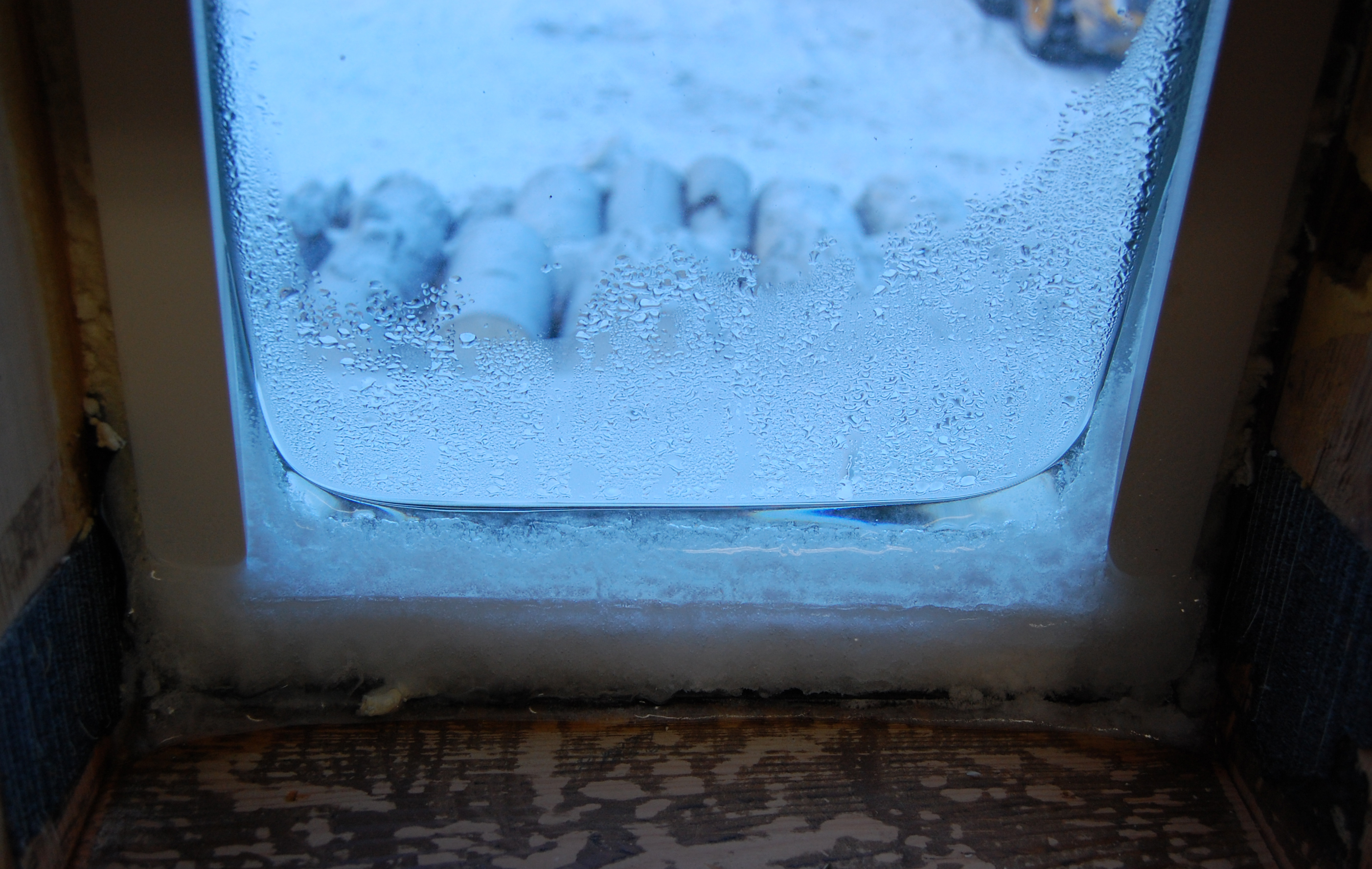
Triple Pane Windows Making Houses Work

Window Condensation Cause Cure Prevention Resistance Ratings

Window Condensation Part 3 Between The Panes Of Glass Youtube
Argon Double Glazing Argon Filled

Foggy Windows Condensation Or A Broken Window Seal

How To Prepare Your Windows For Winter Viwinco Windows
New Windows Q A Will They Reduce Street Noise Condensation Baileylineroad

Double Pane Windows Vs Triple Pane Windows The Best Option For Your Home

Condensation Causes And Cures Thermal Windows Inc
Imperial Ls Omaha Door Window

What Are The Benefits Of Argon Gas In Windows Rgb Construction
Argon Gas In Windows The Pros And Cons

San Diego Replacement Windows Glazing System Options
Https Encrypted Tbn0 Gstatic Com Images Q Tbn 3aand9gcstdyb2 Ziwxu4llcboflzqa0wz6 Smoechbwrbfsw Usqp Cau
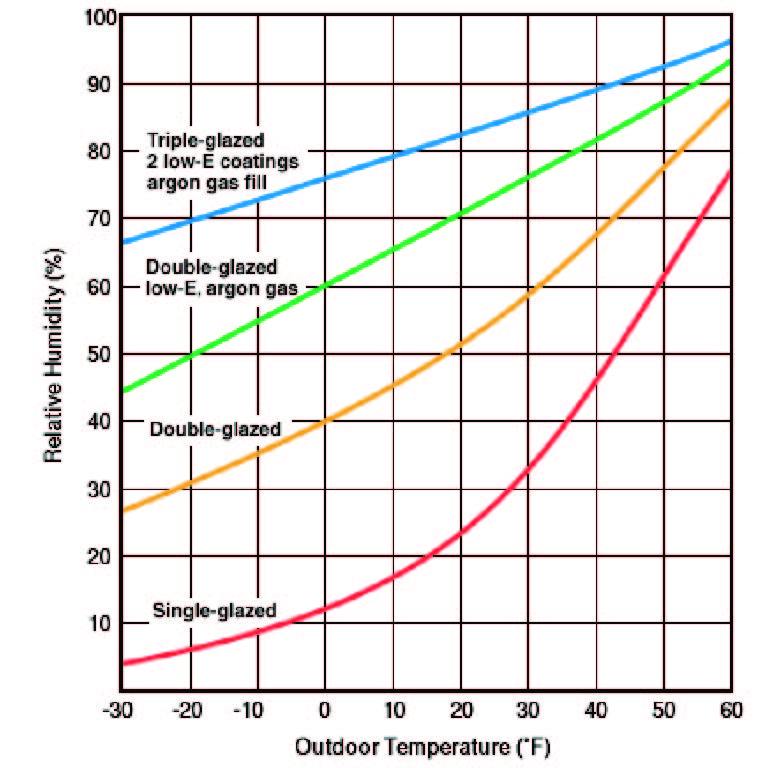
Troubleshooting Condensation On Windows
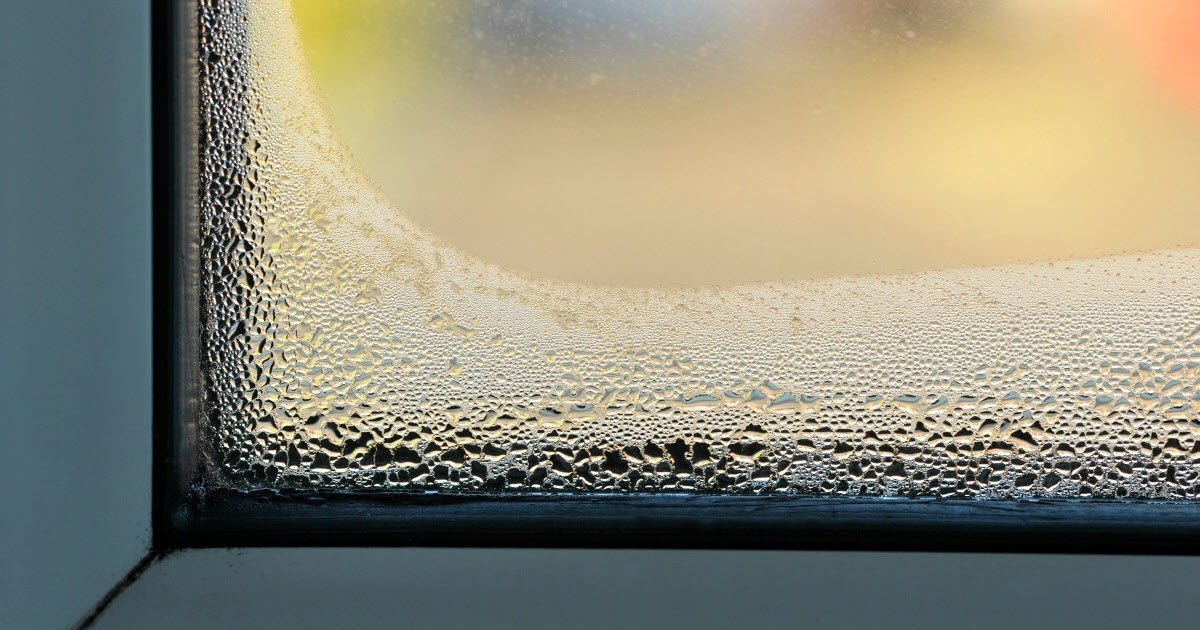
Combating Window Condensation

Window Condensation How It Differs During Summer And Winter Renewal By Andersen Replacement Windows Nashville

Benefits Of Low E Argon Filled Glass Windows Mr Roof
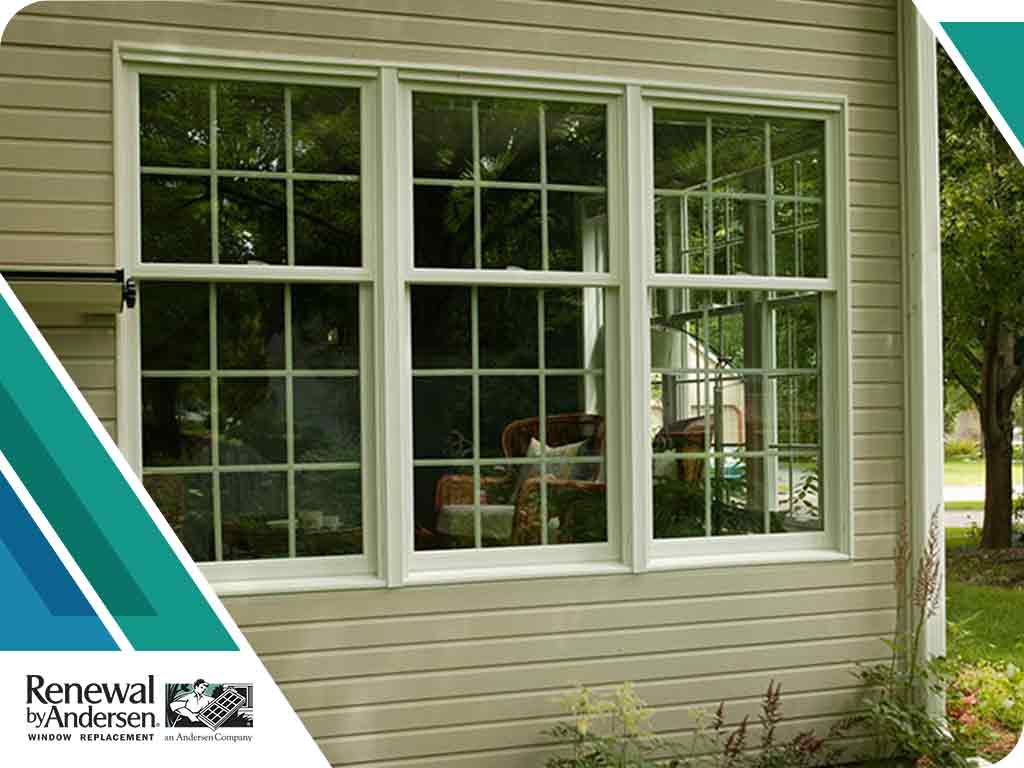
How To Fix Condensation Issues In Double Pane Windows Renewal By Andersen Of Kansas City
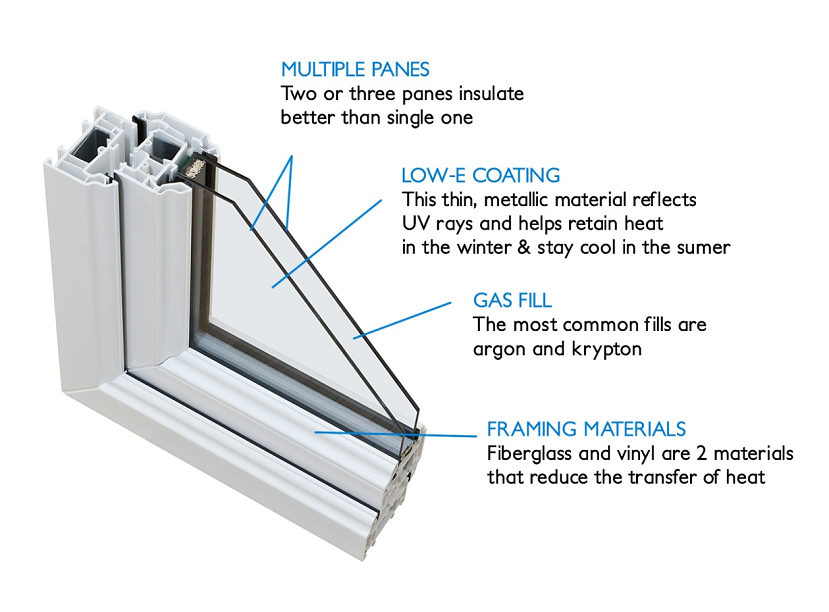
The Role Of Spacers In Double Pane Windows
Are Triple Pane Windows Worth It Do I Need Triple Glazing For My Windows By Doorwin Group Medium

The Pros And Cons Of Argon Gas Filled Windows
5 Benefits Of Triple Pane Glass For Window Replacement

What Causes Condensation On The Outside Of New Windows Aspire Bifolds Surrey

Why Fiberglass Cascadia Windows Doors

Condensation On Windows Signs Of Poor Window Insulation Homespire
Why Are Insulated Windows Filled With Argon Gas Zephyr Thomas

Should I Repair Or Replace A Broken Window Seal Angie S List

Understanding Energy Efficient Windows Fine Homebuilding In 2020 Energy Efficient Windows Energy Efficiency Efficiency

How To Prevent Window Condensation Sunshine Contracting

Window Gas Fills What Inspectors And Consumers Should Know Internachi

Window Seal Broken Argon Gas Has Escaped Youtube

Frigid Temperatures Condensation Homesealed

Why Double Pane Window Condensation Could Mean Trouble Bell Brothers

How To Prevent Foggy Windows And Doors Glass Com

Solarflect Insulating Glass Package Solarflect Energy Star Package

Replacement Glass For Double Pane Windows Glass Doctor

